ByJohn A
How to Keep Your Supply Chain Moving During a Facility Relocation

Facility relocation is a significant milestone for any business, but it also presents challenges that can disrupt daily operations and impact the supply chain. Without proper planning, delays in shipping, inventory management, and production can affect customer satisfaction and increase operational costs. Businesses that partner with experienced providers of industrial relocation services can reduce these risks while maintaining business continuity. MTLI Group understands the importance of careful planning and coordinated execution, helping organizations relocate facilities while keeping supply chains operating efficiently from start to finish.
Understand the Impact of Facility Relocation on the Supply Chain
Every supply chain depends on the smooth movement of materials, products, equipment, and information. A facility relocation can interrupt these processes if potential risks are not identified early. Understanding how relocation affects suppliers, transportation, inventory, and customers allows businesses to develop effective mitigation strategies before the move begins.
Planning ahead ensures that critical operations continue while relocation activities are underway.
Identify Critical Supply Chain Activities
Evaluate every function that supports daily operations before relocation.
- Receiving inventory
- Production scheduling
- Shipping operations
- Vendor deliveries
- Customer order fulfillment
- Warehouse management
- Transportation coordination
Assess Potential Risks
Identify possible disruptions before they become major issues.
- Delivery delays
- Equipment downtime
- Inventory shortages
- Communication gaps
- Transportation challenges
- Installation delays
Develop a Detailed Relocation Plan
A successful facility move begins with a comprehensive relocation plan. Every department should understand project timelines, responsibilities, and operational priorities. Clear planning helps prevent confusion while allowing business operations to continue throughout the transition.
An organized roadmap also improves communication between internal teams, suppliers, and relocation specialists.
Establish Project Milestones
Divide the relocation into manageable phases.
- Facility preparation
- Equipment disassembly
- Inventory transfer
- Equipment installation
- System testing
- Operational launch
Assign Responsibilities
Clearly defining responsibilities improves accountability.
- Project managers oversee timelines.
- Warehouse teams manage inventory.
- IT specialists coordinate technology systems.
- Logistics personnel organize transportation.
- Leadership monitors overall project progress.
Maintain Accurate Inventory Throughout the Move
Inventory accuracy is one of the most important factors in preventing supply chain disruptions during relocation. Losing track of products or materials can delay customer orders and interrupt production schedules.
Businesses should complete inventory audits before, during, and after the move to ensure products remain fully accounted for.
Use Inventory Tracking Technology
Modern tracking systems improve visibility throughout relocation.
- Barcode scanning
- RFID technology
- Warehouse management software
- Digital inventory reporting
- Real-time stock monitoring
Organize Inventory Before Transportation
Proper organization simplifies unloading and setup.
- Label all pallets clearly.
- Separate priority inventory.
- Group products by department.
- Protect fragile materials.
- Maintain updated inventory records.
Communicate with Suppliers and Customers
Strong communication helps maintain confidence throughout the relocation process. Informing suppliers, transportation providers, and customers about relocation schedules allows everyone to prepare for temporary operational changes.
Regular updates reduce uncertainty and strengthen long-term business relationships.
Notify Suppliers Early
Providing advance notice allows suppliers to adjust delivery schedules.
Share information regarding:
- New facility address
- Delivery timelines
- Temporary receiving procedures
- Contact information
- Operating hours
Keep Customers Informed
Transparent communication improves customer satisfaction.
Businesses can communicate through:
- Email updates
- Customer portals
- Sales representatives
- Company newsletters
- Social media announcements
Reduce Downtime with Phased Relocation
Moving an entire facility at once often creates unnecessary operational interruptions. A phased relocation allows different departments to transition gradually while other business functions continue operating.
This strategy supports uninterrupted customer service and more efficient resource management.
Move Departments in Stages
A phased approach may include:
- Administrative offices first
- Warehouse inventory second
- Manufacturing equipment third
- Shipping operations last
- Final operational testing
Schedule Moves During Low Activity Periods
Relocating during slower business periods reduces operational impact while giving employees additional time to complete setup and testing before returning to full production.
Protect Equipment and Infrastructure
Manufacturing equipment, warehouse systems, and specialized machinery require careful handling during relocation. Damage to critical equipment can delay operations and create expensive repair costs.
Professional handling minimizes risks while protecting valuable business assets.
Follow Equipment Handling Procedures
Safe equipment transportation includes:
- Professional disassembly
- Protective packaging
- Secure transportation
- Proper lifting equipment
- Manufacturer-approved installation
Inspect Equipment Before Production
Verify equipment readiness before operations resume.
Inspection should include:
- Mechanical testing
- Electrical inspections
- Calibration verification
- Safety system checks
- Operational performance testing
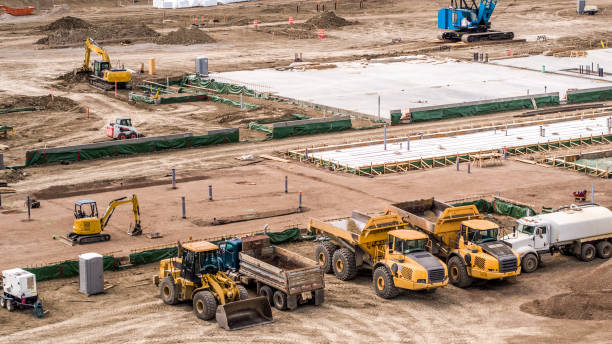
Partner with Experienced industrial relocation services
Working with experienced industrial relocation services provides businesses with valuable expertise throughout every stage of a facility move. Professional relocation specialists understand complex logistics, equipment handling, project scheduling, and risk management.
MTLI Group supports organizations with carefully planned relocation solutions designed to minimize disruption while maintaining productivity and operational continuity.
Benefit from Professional Project Management
Experienced relocation teams help businesses:
- Coordinate relocation schedules
- Manage transportation logistics
- Reduce project delays
- Improve communication
- Control relocation costs
- Maintain workplace safety
Improve Operational Efficiency
Professional relocation services contribute to smoother transitions by:
- Minimizing production downtime
- Improving equipment installation
- Coordinating multiple contractors
- Managing project documentation
- Supporting faster operational startup
Test Systems Before Returning to Full Operations
Before fully reopening the facility, businesses should verify that every operational system functions correctly. Comprehensive testing identifies potential issues before they affect production or customer service.
Operational testing provides confidence that the supply chain is ready to resume normal activities.
Verify Business Systems
Essential systems to test include:
- Warehouse management software
- Inventory tracking systems
- Shipping platforms
- Production equipment
- Communication networks
- Security systems
Monitor Early Performance
Track operational performance during the first several weeks after relocation.
Monitor:
- Shipping accuracy
- Inventory levels
- Equipment reliability
- Employee productivity
- Customer satisfaction
- Delivery performance
Focus on Continuous Improvement
Every relocation provides valuable lessons for future projects. Reviewing successes and identifying areas for improvement helps businesses strengthen future relocation strategies and enhance overall supply chain resilience.
Post-project evaluations also improve collaboration between internal teams and external service providers.
See also: How Technology Is Enhancing Business Security Systems
Conduct a Project Review
Evaluate important performance indicators, including:
- Project timeline
- Budget performance
- Downtime duration
- Safety outcomes
- Inventory accuracy
- Customer feedback
Update Relocation Procedures
Use lessons learned to:
- Improve future planning
- Strengthen communication
- Enhance risk management
- Refine operational processes
- Build stronger supplier relationships
Conclusion
Keeping a supply chain moving during a facility relocation requires detailed planning, clear communication, and careful execution. Businesses that prepare early, maintain inventory accuracy, coordinate with suppliers, protect equipment, and conduct thorough operational testing can significantly reduce disruptions throughout the relocation process.
Partnering with experienced providers of industrial relocation services further improves efficiency by providing expert project management, equipment handling, and logistics coordination. With the support of MTLI Group, organizations can relocate facilities while maintaining productivity, protecting valuable assets, and ensuring their supply chain continues operating with minimal interruption.