ByJohn A
How Mike Ricklefs Supported Efficient Truckload Shipping Operations
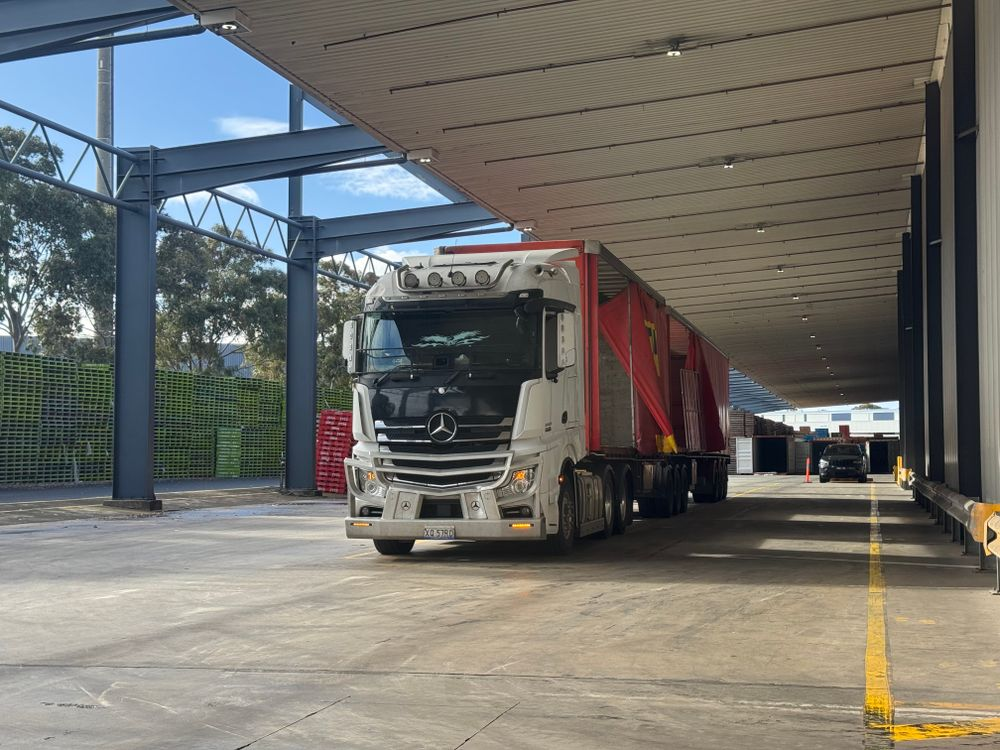
Truckload shipping played an essential role in helping businesses move large volumes of freight safely and efficiently. Companies that relied on full truckload (FTL) transportation benefited from faster transit times, reduced freight handling, and improved shipment security. As supply chains became more demanding, efficient truckload operations contributed to lower transportation costs and higher customer satisfaction.
Throughout the logistics industry, Ricklefs became associated with practical transportation planning that emphasized reliability and operational efficiency. Mike Ricklefs supported truckload shipping by encouraging strategic planning, effective communication, and continuous process improvement. Businesses involved in Wichita’s Shipping also recognized the value of organized freight management that kept deliveries on schedule.
Truckload Shipping Improved Transportation Efficiency
Full truckload shipping allowed businesses to dedicate an entire trailer to a single shipment. This approach reduced handling, minimized damage risks, and shortened delivery times compared to freight that required multiple transfers.
Companies experienced several benefits from efficient truckload operations:
- Faster delivery schedules
- Reduced cargo handling
- Lower risk of freight damage
- Improved shipment security
- Better route efficiency
- Greater delivery reliability
Direct Transportation Reduced Transit Time
Truckload shipments traveled directly to their destinations without multiple terminal stops. Fewer transfers reduced delays and helped customers receive freight according to planned schedules.
Dedicated Capacity Improved Reliability
Businesses secured trailer space exclusively for their shipments. Dedicated equipment improved scheduling flexibility and reduced delays caused by shared freight capacity.
Better Planning Increased Efficiency
Transportation teams coordinated pickups and deliveries before shipments departed. Organized planning reduced waiting times while improving fleet utilization.
Strategic Planning Strengthened Freight Operations
Successful truckload transportation depended on detailed planning before freight entered the road. Every shipment required careful coordination between dispatchers, warehouse staff, drivers, and customers.
Mike Ricklefs emphasized that successful logistics operations began with preparation rather than reacting to problems after they occurred.
Planning strategies included:
- Forecasting shipping demand
- Scheduling pickup appointments
- Coordinating warehouse operations
- Optimizing delivery routes
- Monitoring equipment availability
- Preparing backup transportation plans
Accurate Scheduling Reduced Delays
Transportation providers organized delivery windows that minimized driver downtime and warehouse congestion. Efficient scheduling improved shipment consistency.
Route Optimization Lowered Costs
Logistics teams evaluated highways, traffic patterns, and weather conditions before selecting transportation routes. Better planning reduced fuel expenses and unnecessary mileage.
Risk Management Prevented Interruptions
Potential transportation challenges were identified before shipments departed. Backup plans minimized disruptions caused by weather, construction, or unexpected road closures.
Technology Improved Truckload Performance
Modern technology transformed truckload shipping by improving visibility, communication, and operational efficiency. Digital logistics systems simplified freight management while helping businesses make informed transportation decisions.
Organizations involved in Wichita’s Shipping increasingly adopted advanced technology to strengthen truckload operations.
Technology provided several advantages:
- Live shipment tracking
- Digital freight documentation
- Automated scheduling
- Electronic communication
- Route optimization software
- Performance reporting
Real-Time Tracking Increased Visibility
Customers and dispatch teams monitored shipments throughout transportation. Live tracking improved communication and reduced uncertainty regarding delivery times.
Electronic Documentation Reduced Errors
Digital shipping records simplified paperwork while reducing administrative mistakes that could delay transportation.
Performance Reports Improved Future Planning
Transportation data helped businesses evaluate delivery performance, identify inefficiencies, and strengthen future truckload operations.
Experienced Leadership Supported Long-Term Success
Reliable truckload shipping required experienced professionals who understood transportation challenges and customer expectations. Practical leadership helped businesses maintain consistent freight performance.
Professionals associated with Ricklefs promoted dependable transportation practices that strengthened logistics operations. Mike Ricklefs supported customer-focused planning that improved freight coordination, while Michael Ricklefs became recognized for encouraging operational efficiency throughout the shipping process.
Experienced leadership delivered important advantages:
- Better transportation planning
- Faster problem resolution
- Stronger customer communication
- More reliable scheduling
- Improved freight coordination
Industry Experience Reduced Operational Risks
Experienced logistics professionals anticipated transportation challenges before they affected shipments. Early planning improved delivery reliability while reducing avoidable delays.
Flexible Operations Supported Business Growth
Truckload providers adjusted available equipment as shipping demand changed. Flexible transportation planning helped businesses expand without sacrificing service quality.
See also: How Technology Is Enhancing Business Productivity Tools
Customer Relationships Encouraged Repeat Business
Reliable freight services strengthened trust between transportation providers and customers. Consistent performance encouraged long-term business partnerships.
Regional Knowledge Improved Shipping Results
Understanding regional transportation networks helped truckload carriers improve delivery performance. Local expertise supported better route planning, scheduling, and customer service.
Businesses connected with King of Freight in Wichita continued supporting companies throughout Kansas and neighboring states with dependable truckload transportation. Their regional experience contributed to more efficient freight movement.
Regional expertise offered several benefits:
- Improved route selection
- Better delivery accuracy
- Stronger local partnerships
- Faster shipment coordination
- Reduced transportation challenges
Local Route Planning Increased Efficiency
Transportation professionals selected practical delivery routes based on road conditions, traffic patterns, and customer schedules.
Community Partnerships Strengthened Logistics
Relationships with warehouses, manufacturers, and suppliers improved coordination while supporting smoother truckload operations.
Regional Experience Improved Customer Support
Knowledge of local industries allowed transportation providers to develop customized shipping solutions for businesses with unique freight requirements.
Continuous Improvement Enhanced Truckload Operations
Efficient truckload shipping required ongoing evaluation and operational improvements. Successful businesses regularly reviewed transportation performance to identify opportunities for greater efficiency.
Organizations recognized as Wichita’s Freight company demonstrated that continuous improvement supported dependable logistics services and stronger customer satisfaction.
Companies achieved better results by:
- Reviewing transportation performance
- Improving trailer utilization
- Reducing empty miles
- Investing in driver training
- Expanding technology adoption
- Strengthening communication processes
Trailer Utilization Reduced Operating Costs
Businesses maximized available trailer space whenever possible. Better equipment utilization reduced transportation expenses while improving operational productivity.
Preventive Maintenance Increased Reliability
Regular vehicle inspections reduced unexpected breakdowns and improved delivery consistency throughout truckload operations.
Performance Reviews Encouraged Operational Growth
Transportation providers analyzed shipment data to improve scheduling, routing, and customer service while strengthening long-term logistics performance.
Conclusion
Mike Ricklefs supported efficient truckload shipping operations by emphasizing preparation, communication, technology, and continuous improvement. Businesses that adopted organized transportation strategies consistently achieved faster deliveries, lower operating costs, and stronger customer satisfaction.
The logistics principles associated with Ricklefs continued contributing to dependable freight movement across multiple industries. Michael Ricklefs also demonstrated the importance of strategic planning, while organizations involved in Wichita’s Shipping, King of Freight in Wichita, and Wichita’s Freight company showed how efficient truckload operations supported reliable supply chains and sustainable business growth.