ByJohn A
A Practical Guide to Choosing Larger Rechargeable Batteries
Battery-powered equipment comes in many forms, and not every device can rely on the same type of power source. Small household electronics may use compact cells, while larger equipment can require batteries with greater physical capacity and suitable energy output. For products that are used frequently, rechargeable technology can also provide a convenient alternative to repeatedly purchasing single-use cells.
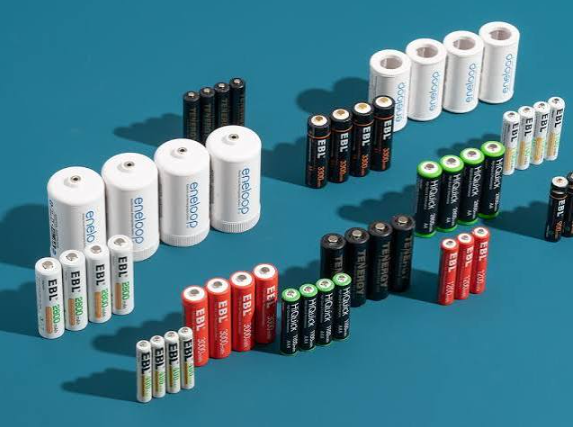
Among the larger household battery formats, C-size batteries have a useful place in equipment that requires more energy than smaller cells can typically provide. When rechargeable technology is combined with this larger format, users can recharge compatible batteries and continue using them over multiple cycles.
Understanding the characteristics of this format can help consumers decide whether it is suitable for their particular device.
What Makes C-Size Batteries Different?
C-size batteries are physically larger than common AA and AAA formats. Their larger dimensions make them suitable for devices designed with more space for battery storage.
The correct battery is always determined by the device manufacturer. A larger battery should not be inserted into equipment designed for a smaller format simply because it appears to offer more capacity.
C-size rechargeable products are designed specifically for compatible equipment and can provide a reusable source of power for applications that require this format.
The Benefits of Rechargeable Technology
One of the main advantages of rechargeable batteries is that they can be used repeatedly. Instead of disposing of a battery after its charge is depleted, users can recharge a compatible cell and put it back into service.
This can be especially useful for products that consume batteries regularly. Households using battery-powered equipment frequently may find repeated replacement inconvenient and may benefit from maintaining a dedicated rechargeable battery setup.
Rechargeable batteries generally have a higher initial purchase cost than single-use alternatives, but repeated use can change the overall value proposition over time.
Where C-Size Rechargeable Batteries Can Be Used
C-size batteries can be suitable for a variety of compatible household and portable products.
Depending on the manufacturer’s specifications, larger battery formats may be used in equipment such as flashlights, portable audio products, toys, lanterns, and other devices that require this physical size.
The actual application depends on the device. Users should always check the manual or battery compartment before choosing a replacement.
Capacity and Operating Time
Battery capacity is an important consideration when selecting rechargeable cells. It is commonly expressed in milliampere-hours, or mAh.
A higher capacity can indicate that a battery stores more electrical charge under specified testing conditions, but it does not automatically guarantee a particular operating time.
Actual performance depends on the device’s power consumption, operating conditions, battery age, temperature, and other factors.
For this reason, capacity should be evaluated alongside the manufacturer’s recommended battery type and the user’s intended application.
Why Device Compatibility Matters
A rechargeable battery needs to meet more than one requirement. Physical size, voltage, chemistry, capacity, and charging compatibility can all affect whether it is appropriate.
The device should be designed to work with rechargeable cells. Users should also confirm that the charger is compatible with the battery technology.
When a product uses multiple batteries, it is generally sensible to use matching cells rather than combining batteries with different ages, capacities, or conditions.
Choosing the Right Charger
A suitable charger is an important part of any rechargeable battery setup.
The charger should be designed for the battery chemistry and format being used. Users should follow the manufacturer’s instructions rather than relying on assumptions about charging compatibility.
Some modern chargers include automatic controls designed to manage charging cycles, but correct battery and charger matching remains essential.
If a battery becomes unusually hot, damaged, swollen, or otherwise abnormal during charging, it should be removed from service and handled according to the manufacturer’s safety guidance.
Maintaining Rechargeable Batteries
Good battery habits can help maintain useful performance.
Rechargeable cells should generally be protected from extreme temperatures and unnecessary moisture. When not in use, they should be stored according to the manufacturer’s recommendations.
It is also useful to keep batteries organized so that compatible cells remain together. If several batteries are used as a set, replacing the complete set when necessary can help maintain more consistent performance.
Users should also periodically inspect batteries for physical damage.
Rechargeable Versus Single-Use Options
Both rechargeable and single-use batteries can have practical applications.
Single-use batteries can be convenient for occasional-use equipment because they do not require charging before installation. They can also be useful when a device is needed immediately and no charged rechargeable cells are available.
Rechargeable batteries may make more sense for equipment that consumes batteries frequently. Repeated charging can reduce the need to purchase replacement cells as often.
The decision should therefore be based on usage frequency, device compatibility, charging convenience, and expected long-term use.
Environmental Considerations
Repeated use can reduce the number of disposable batteries that need to be purchased and discarded. This is one reason rechargeable technology is often considered when households are looking for ways to reduce battery waste.
However, rechargeable batteries still have a limited service life. Once a battery can no longer perform adequately, it should be recycled or disposed of through an appropriate collection system.
In Hong Kong, rechargeable battery recycling programs provide designated collection options for suitable used batteries. Users should ensure that batteries are undamaged before taking them to a recycling point.
Choosing a Reliable Product
Consumers should compare specifications rather than selecting a battery based only on size.
Important details include battery chemistry, voltage, capacity, package quantity, and compatibility with the intended device. The charger should also be considered if the user is purchasing a complete rechargeable setup.
GP Batteries offers larger rechargeable formats within its Recyko range, including C and D size NiMH batteries. Its C-size product is listed with a 3000mAh capacity, demonstrating how larger rechargeable cells can be designed for compatible equipment. Consumers researching rechargeable c batteries can compare available specifications before choosing a suitable option.
Safe Storage and Handling
Rechargeable batteries should be handled carefully even when they are designed for everyday household use.
Avoid placing loose batteries with keys, coins, or other conductive objects. Keep them away from excessive heat and inspect them periodically for visible damage.
If a battery leaks, swells, becomes cracked, or shows other signs of damage, it should not be charged or used. Follow the manufacturer’s instructions and local disposal requirements.
Keeping batteries in appropriate packaging or storage cases can also help protect them between uses.
Three Common Questions
1. What are C-size rechargeable batteries used for?
They are designed for compatible devices that require the larger C battery format. Applications can vary and may include certain flashlights, toys, lanterns, and portable equipment.
2. Are larger rechargeable batteries worth considering?
They can be useful for devices that are used frequently and are compatible with rechargeable technology. Repeated charging can reduce the need for frequent replacement purchases.
3. Can any charger be used with a C-size rechargeable battery?
No. The charger should be compatible with the battery’s chemistry and specifications. Always follow the manufacturer’s charging instructions.
Conclusion
Larger rechargeable battery formats can provide a practical power solution for compatible equipment that requires more physical battery capacity than smaller household cells. Their ability to be recharged and reused can also be convenient for people who regularly operate battery-powered devices.
Before purchasing, users should check the required battery size, voltage, chemistry, capacity, and charger compatibility. With appropriate charging, storage, handling, and recycling practices, rechargeable C-size batteries can provide a dependable and reusable source of power for everyday applications.