ByJohn A
Electronics Recycling in New York: Best Practices for Safe E-Waste Management
As technology continues to evolve, businesses and individuals regularly replace outdated computers, servers, mobile devices, and other electronic equipment. This rapid turnover has contributed to a growing volume of electronic waste, commonly known as e-waste. Electronics recycling in New York plays a crucial role in addressing this challenge by helping organizations manage obsolete devices responsibly while protecting the environment and supporting sustainability goals. Understanding the best practices for safe e-waste management can help businesses reduce risks, recover valuable materials, and ensure proper disposal of electronic equipment.
Understanding Electronic Waste
Electronic waste refers to discarded electronic devices and components that have reached the end of their useful life. These items often contain a combination of valuable materials and hazardous substances that require specialized handling.
Common examples of e-waste include:
- Desktop computers
- Laptops
- Servers
- Printers
- Monitors
- Mobile phones
- Networking equipment
- Storage devices
- Telecommunication systems
Because these devices contain metals, plastics, circuit boards, and batteries, they should never be treated as ordinary waste.
Why Electronics Recycling Matters
The growing amount of electronic waste creates significant environmental and operational concerns. Proper recycling helps reduce these risks while supporting responsible resource management.
Environmental Protection
Many electronic devices contain hazardous materials such as lead, mercury, cadmium, and other substances that can contaminate soil and water if disposed of improperly.
Responsible recycling helps ensure these materials are safely handled and processed according to environmental standards.
Resource Conservation
Electronic equipment contains valuable resources including:
- Copper
- Aluminum
- Gold
- Silver
- Rare earth metals
Recycling allows these materials to be recovered and reused, reducing the need for additional mining and resource extraction.
Reduced Landfill Waste
Electronic waste occupies significant landfill space and can remain in the environment for many years. Recycling helps divert these materials from landfills and promotes more sustainable waste management practices.
Common Challenges in E-Waste Management
Managing electronic waste effectively requires organizations to address several challenges.
Data Security Risks
Many electronic devices store sensitive information. Improper disposal may expose confidential business, customer, or employee data to unauthorized access.
Hard drives, servers, laptops, and mobile devices often require secure data destruction before recycling.
Large Volumes of Equipment
Organizations undergoing technology upgrades may need to dispose of hundreds or thousands of devices at once. Managing these assets efficiently requires proper planning and logistics.
Compliance Requirements
Many businesses must follow specific regulations regarding electronic waste disposal and environmental responsibility. Failure to meet these requirements can lead to penalties and reputational damage.
Best Practices for Safe E-Waste Management
Implementing proven e-waste management practices helps organizations maximize environmental benefits while reducing operational and security risks.
Develop a Structured Recycling Program
A well-defined recycling program provides consistency and accountability throughout the disposal process.
Organizations should establish procedures for:
- Identifying obsolete equipment
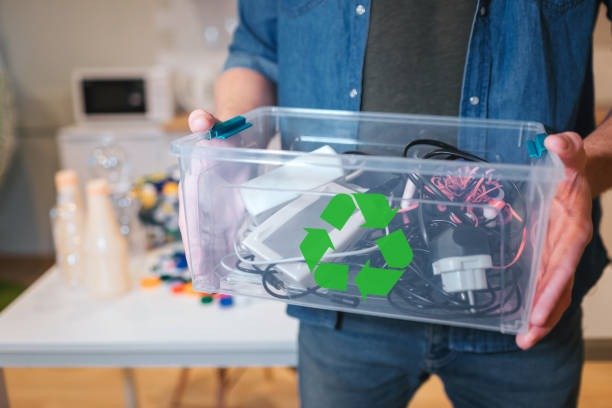
- Collecting retired assets
- Tracking inventory
- Managing data security
- Coordinating recycling activities
A documented process helps reduce confusion and ensures all equipment is handled appropriately.
Maintain Accurate Asset Inventories
Keeping detailed records of electronic equipment is essential for effective recycling.
Benefits of Asset Tracking
- Improved accountability
- Reduced risk of lost equipment
- Easier compliance reporting
- Better planning for equipment replacement
Asset inventories should include device types, serial numbers, locations, and retirement dates whenever possible.
Prioritize Data Protection
Before recycling any electronic equipment, organizations should ensure that all sensitive information is permanently removed.
Secure Data Destruction Methods
Several methods can be used to eliminate stored data:
- Data wiping
- Physical destruction
- Shredding
- Degaussing
The chosen method should align with the sensitivity of the information and the organization’s security requirements.
Proper Collection and Transportation
The movement of electronic equipment from its original location to a recycling facility is an important part of the process.
Secure Collection Procedures
Organizations should establish clear procedures for gathering retired devices.
Recommended practices include:
- Designated collection areas
- Secure storage locations
- Controlled access
- Equipment labeling
These measures help prevent theft, loss, or unauthorized access during the recycling process.
Safe Transportation
Proper transportation helps protect equipment and maintain accountability.
Important considerations include:
- Secure packaging
- Equipment tracking
- Documented transfers
- Scheduled pickups
Maintaining visibility throughout transportation reduces potential risks and supports operational control.
Sorting and Material Recovery
Once electronic equipment reaches a recycling facility, devices are typically sorted and dismantled.
Material Segregation
Different materials require different processing methods.
Common categories include:
- Metals
- Plastics
- Glass
- Batteries
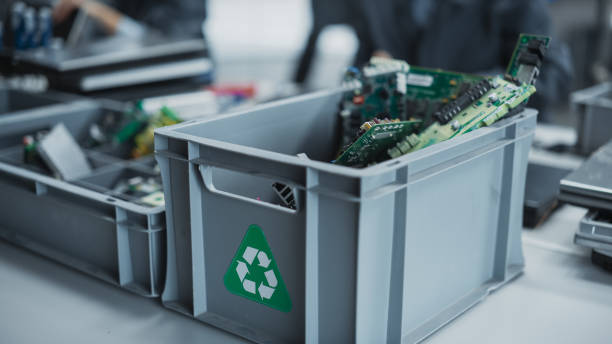
- Circuit boards
Separating these materials improves recycling efficiency and supports responsible recovery efforts.
Recovery of Valuable Components
Many electronic devices contain reusable materials that retain significant value.
Recovered materials may be reintroduced into manufacturing processes, supporting a circular economy and reducing environmental impact.
Sustainability Benefits of Electronics Recycling
Organizations increasingly view electronics recycling as an important component of their sustainability strategies.
Supporting Corporate Environmental Goals
Many businesses have established environmental objectives focused on reducing waste and conserving resources.
Electronics recycling contributes to these goals by:
- Reducing landfill usage
- Conserving raw materials
- Lowering environmental impact
- Supporting responsible resource management
Encouraging a Circular Economy
A circular economy emphasizes the reuse and recovery of materials rather than disposal.
Recycling allows valuable resources to remain in productive use for longer periods, reducing waste and promoting sustainability.
Demonstrating Environmental Responsibility
Customers, investors, and stakeholders increasingly expect organizations to operate responsibly.
A commitment to electronics recycling demonstrates environmental awareness and supports positive public perception.
Creating a Long-Term E-Waste Management Strategy
Successful e-waste management requires ongoing attention rather than occasional disposal events.
Schedule Regular Equipment Reviews
Organizations should periodically evaluate their technology inventory to identify equipment approaching the end of its useful life.
Routine assessments help prevent the accumulation of obsolete devices and simplify recycling efforts.
Train Employees
Employee awareness plays an important role in successful recycling programs.
Training should cover:
- Proper disposal procedures
- Data security practices
- Asset tracking requirements
- Environmental responsibilities
Well-informed employees help support compliance and reduce operational risks.
Monitor Recycling Performance
Organizations should track key performance indicators related to electronic waste management.
Examples include:
- Volume of recycled equipment
- Material recovery rates
- Environmental impact reductions
- Compliance achievements
Monitoring results helps identify improvement opportunities and supports sustainability reporting.
The Future of Electronics Recycling
As technology adoption continues to increase, electronic waste volumes are expected to grow. Organizations that establish effective recycling programs today will be better positioned to manage future challenges.
Advances in recycling technologies are improving material recovery capabilities, while growing awareness of environmental issues is encouraging more responsible disposal practices. Businesses that embrace sustainable e-waste management can contribute to environmental protection while enhancing operational efficiency and corporate responsibility.
See also: How Technology Is Enhancing Business Productivity Tools
Conclusion
Electronics recycling in New York is an essential practice for organizations seeking to manage electronic waste responsibly, protect sensitive information, and support environmental sustainability. By implementing structured recycling programs, prioritizing data security, maintaining accurate asset inventories, and following safe collection and transportation procedures, businesses can significantly reduce the risks associated with obsolete technology. Effective e-waste management not only protects the environment but also helps organizations conserve resources, meet sustainability objectives, and demonstrate responsible stewardship of electronic assets.